Condition-specific home care · Bhavnagar
Your loved one's condition is specific.
Their care should be too.
Upchar Setu brings together the right team of verified professionals — coordinated around your loved one’s exact diagnosis, not a generic package.
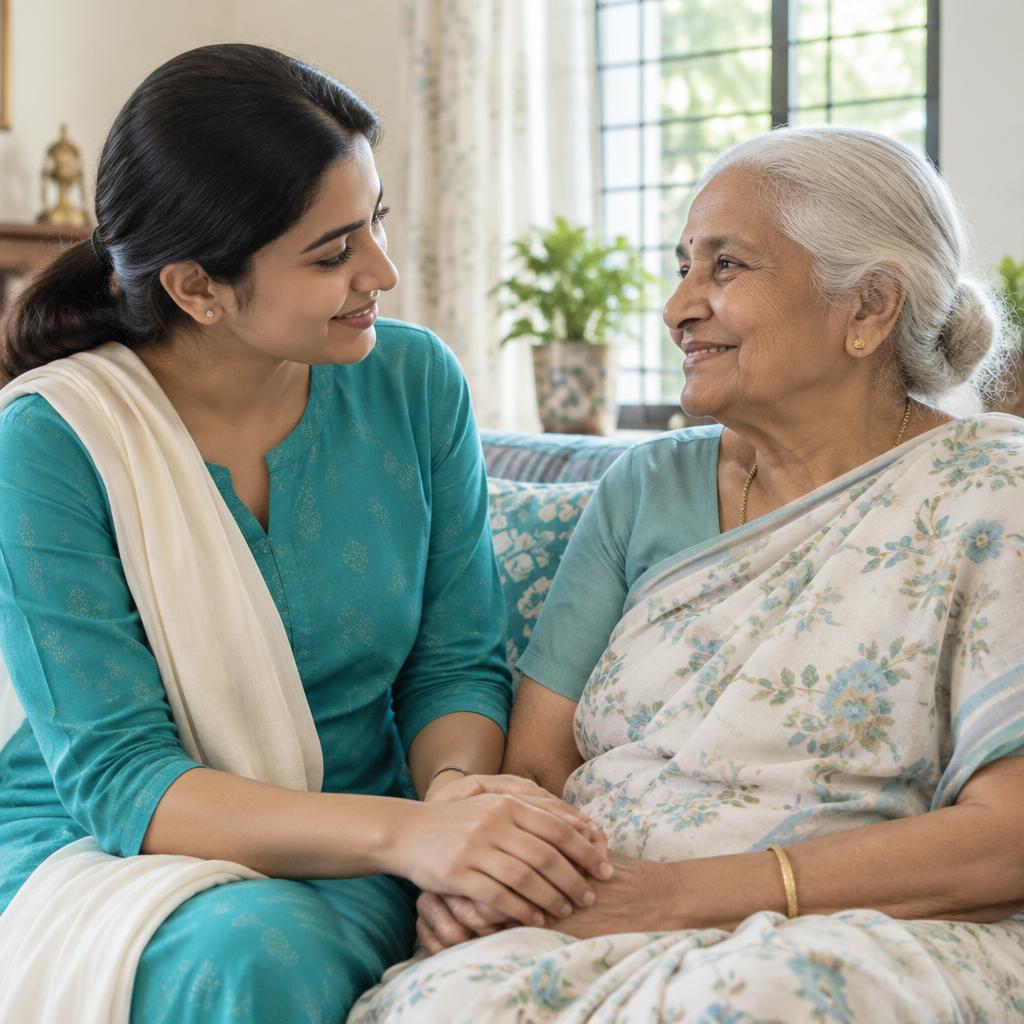
Right care. Right team. Right home.
📋 Tell us your loved one’s condition during registration
🤝 We match them with the right professionals for that specific need
🏠 A coordinated care team — built around their diagnosis — begins at home
Need hands-on help with everyday care?
Alongside condition-specific care, our trained Patient Attendants support daily living — personal hygiene, mobility, meals, and companionship — in 12-hour shifts, with round-the-clock cover when your loved one needs it. Every attendant is trained, verified, and introduced to your family before they begin, so you always know who is in your home.
Package that fits
Vatsalya Complete — Attendant Intensive for hands-on help with everyday care.
Post-Stroke Recovery
Post-Stroke Recovery
Home care after stroke — physiotherapy, nursing, and rehabilitation at your door.
What families face
A stroke changes everything — often overnight. The patient may come home from hospital with weakness, speech difficulties, limited mobility, and emotional fragility. The family is managing all of this without a rehabilitation team in the home.
What home care looks like
Post-stroke recovery requires consistent, structured rehabilitation — most effectively done at home, in familiar surroundings, without the stress and logistics of daily clinic visits.
- Physiotherapist — rebuilding strength, mobility, balance, and movement; guided exercises tailored to the level of stroke impact
- Nurse — monitoring vitals, medication management, wound care if needed
- MBBS Doctor — regular home assessments, medication review, coordination with hospital specialists
- Speech and language support — coordinated with the care plan where needed
- Psychologist — emotional support through the often-difficult adjustment after stroke
- Dietitian — nutrition planning for recovery and long-term brain health
- Patient Attendant — daily hands-on support during intensive recovery (12-hour shifts)
- Care Coordinator — managing the whole team so your family doesn’t have to
Packages that fit
Post-Discharge Physio Intensive (30-day intensive recovery) · Shield or Comprehensive (ongoing annual monitoring)
Diabetes Management at Home
Diabetes Management At Home
Home care for diabetes — monitoring, nutrition, and specialist support for seniors living with diabetes.
What families face
Diabetes in an elderly person is rarely straightforward. It affects the feet, the kidneys, the eyes, the heart — and managing it requires consistent monitoring, medication discipline, and nutritional guidance that most families struggle to sustain alone.
What home care looks like
Regular nurse visits for monitoring and medication management. A dietitian who understands diabetic nutrition. An MBBS doctor who knows the patient’s history and can catch complications early.
- Nurse — regular blood sugar monitoring, medication management, foot care and wound assessment (diabetic wounds require specialist nursing attention)
- Dietitian — personalised diabetic meal planning, monitoring dietary adherence, adjusting guidance as the condition changes
- MBBS Doctor — routine home assessments, HbA1c monitoring, medication review and adjustment
- Care Coordinator — keeping the care plan consistent and updated across the team
Packages that fit
Watch or Guard (for well-managed diabetes with regular monitoring needs) · Shield or Comprehensive (for diabetes with complications or multiple conditions)
Parkinson’s Disease Care
Parkinson's Disease Care
Home care for Parkinson’s — physiotherapy, nursing, and compassionate support for patients and families.
What families face
Parkinson’s is a progressive condition. Tremors, rigidity, slow movement, balance problems, and over time — cognitive changes. The patient needs consistent professional support that adapts as the disease progresses. The family needs relief and guidance.
What home care looks like
Physiotherapy is central to Parkinson’s management — slowing the loss of mobility and reducing fall risk. Nursing provides medication management (Parkinson’s medications require careful timing and monitoring). Psychological support matters for a condition that is visible, unpredictable, and emotionally challenging for both the patient and family.
- Physiotherapist — mobility exercises, gait training, balance improvement, fall prevention — adapted over time as the condition progresses
- Nurse — medication management (strict timing is critical in Parkinson’s), monitoring, general health oversight
- MBBS Doctor — regular home assessments, medication review, coordination with neurologist
- Psychologist — emotional support for patient and family; managing anxiety, depression, and the psychological impact of a progressive condition
- Care Coordinator — coordinating across all professionals and keeping the family informed
Packages that fit
Guard or Shield (ongoing annual care with high-frequency physiotherapy and nursing)
Dementia & Alzheimer’s Care
Dementia & Alzheimer's Care
Home care for dementia — compassionate, consistent support for patients and families in Bhavnagar.
What families face
Dementia changes the person you love — gradually, unpredictably, and deeply. Memory loss, confusion, changed behaviour, and increasing dependency create an enormous caregiving burden — often carried in silence by a spouse or family member who is also ageing or working full-time.
What home care looks like
Dementia care at home is as much about the family caregiver as the patient. Consistency is everything — familiar faces, familiar routines, familiar environments slow the progression and reduce agitation. A rotating cast of strangers makes things worse.
- Patient Attendant — consistent, compassionate daily support for personal care, meals, companionship, and safety (consistency of the same attendant is especially important in dementia)
- Nurse — medication management, health monitoring, early identification of physical changes the patient may not communicate
- Psychologist — support for the patient’s emotional wellbeing; equally important: regular support sessions for the primary family caregiver
- MBBS Doctor — home assessments, medication review, coordination with neurologist or geriatric specialist
- Social Worker — helping the family navigate the emotional, practical, and financial aspects of long-term dementia caregiving
- Care Coordinator — managing the whole care plan, keeping the team consistent, keeping the family informed
Packages that fit
Shield or Comprehensive (high-frequency visits across multiple professionals)
Post-Cardiac Care at Home
Post-Cardiac Care
Home care after heart attack or heart surgery — nursing, physiotherapy, and dietary support for cardiac recovery.
What families face
Coming home after a heart attack or cardiac surgery is one of the highest-risk moments in a patient’s care journey. The hospital has stabilised them — but the recovery, the medication adherence, the lifestyle changes, and the careful monitoring now rest on the family.
What home care looks like
Cardiac recovery at home requires skilled nursing, structured cardiac rehabilitation (physiotherapy), close dietary management, and regular MBBS doctor oversight. It also requires attentiveness to warning signs — breathlessness, oedema, fatigue — that indicate things are not going to plan.
- Nurse — daily or regular visits for vitals monitoring (blood pressure, heart rate, oxygen levels), medication management, and early warning sign identification
- Physiotherapist — guided cardiac rehabilitation exercises to safely rebuild strength and cardiovascular fitness
- Dietitian — cardiac diet planning: salt restriction, heart-healthy nutrition, weight management
- MBBS Doctor — regular home assessments, medication review and adjustment, coordination with cardiologist
- Care Coordinator — managing the care schedule and keeping family informed
Packages that fit
Post-Discharge Nursing Intensive (30-day intensive recovery) · Guard or Shield (ongoing annual monitoring)
Orthopaedic Recovery at Home
Orthopaedic Recovery
Home care after knee replacement, hip replacement, or fracture — physiotherapy and nursing at your door.
What families face
After a knee replacement, hip replacement, or major fracture, the patient often faces weeks of painful, slow rehabilitation. Many are unable to travel to a physiotherapy clinic daily. Without consistent, skilled physiotherapy at home, recovery is slower — and the risk of complications or re-injury is higher.
What home care looks like
Orthopaedic recovery is primarily physiotherapy-led — but it also requires nursing for wound care, pain monitoring, and general post-surgical oversight. A Patient Attendant provides the daily hands-on support that allows the patient to rest, recover, and focus on rehabilitation.
- Physiotherapist — structured rehabilitation program from day one at home: range of motion exercises, strengthening, gait training, and graduated mobility goals
- Nurse — wound assessment and dressing, medication management, post-surgical monitoring
- Patient Attendant — daily support for mobility, personal care, transfers, and meal preparation
- Dietitian — nutrition to support tissue healing and bone recovery
- MBBS Doctor — home follow-up visits, coordination with orthopaedic surgeon
Packages that fit
Post-Discharge Physio Intensive (30-day intensive recovery) — the most appropriate fit for orthopaedic cases
Cancer & Chemotherapy Support at Home
Cancer & Chemotherapy Support
Home care during cancer treatment — nursing, nutrition, emotional support, and care coordination through every cycle.
What families face
Chemotherapy and cancer treatment take a profound physical and emotional toll — on the patient and on every family member. Between hospital treatment cycles, the patient is at home — managing fatigue, nausea, pain, and anxiety — often without structured professional support.
What home care looks like
Cancer home care is about making every day between treatment cycles as comfortable, supported, and dignified as possible. Nutrition matters enormously. Emotional support matters enormously. Nursing oversight — watching for infection, managing side effects, monitoring vitals — matters enormously.
- Nurse — regular visits for vitals monitoring, managing treatment side effects, wound or port care, early identification of complications
- Dietitian — cancer nutrition support (managing nausea, maintaining weight, supporting immune function) — high frequency, adjusted per treatment cycle
- Psychologist — emotional support for the patient through treatment; separate sessions for family members carrying the weight of caring for a loved one with cancer
- MBBS Doctor — home consultations for general health monitoring between hospital visits; coordination with the oncologist
- Specialist Consultant — virtual consultations for symptom management and second opinion support
- Social Worker — practical and emotional support for the family; navigating the healthcare system, entitlements, and the difficult decisions that come with a serious diagnosis
- Care Coordinator — holding the whole care plan together through each cycle
Package that fits
Chemotherapy Support Program (monthly — renewed each treatment cycle)
Tell us what's happening. We'll help you figure out the rest.
Every family’s situation is different. You might be dealing with a combination of conditions — diabetes and early dementia, cardiac recovery alongside Parkinson’s. Our team will help you find the right care plan, built around your loved one’s specific situation.
What Makes Upchar Setu Different For Condition-Specific Care
📋 Centralised health record — every professional on your care team sees the same complete picture. Your physiotherapist knows what the nurse found. Your doctor knows what the dietitian recommended. No one starts from scratch.
🌿 Prevention, not just recovery — the right care for a chronic condition doesn’t just manage today’s problem. It works to prevent the next hospitalisation. That’s built into how we design every care plan.
🙋♀️ Female professional preference — families can request a female nurse, attendant, or physiotherapist. Standard option, not an exception.
🗣️ Gujarati-speaking team · WhatsApp coordination — our team communicates in Gujarati. Updates and scheduling happen over WhatsApp — where Bhavnagar families already are.
About our care solutions.
Ready to find the right care for your loved one's condition?
Register free. Tell us what they're dealing with. We'll build the right care team.